The Three Kings, or the guinea pig
An iconographic tale about kings who never existed.
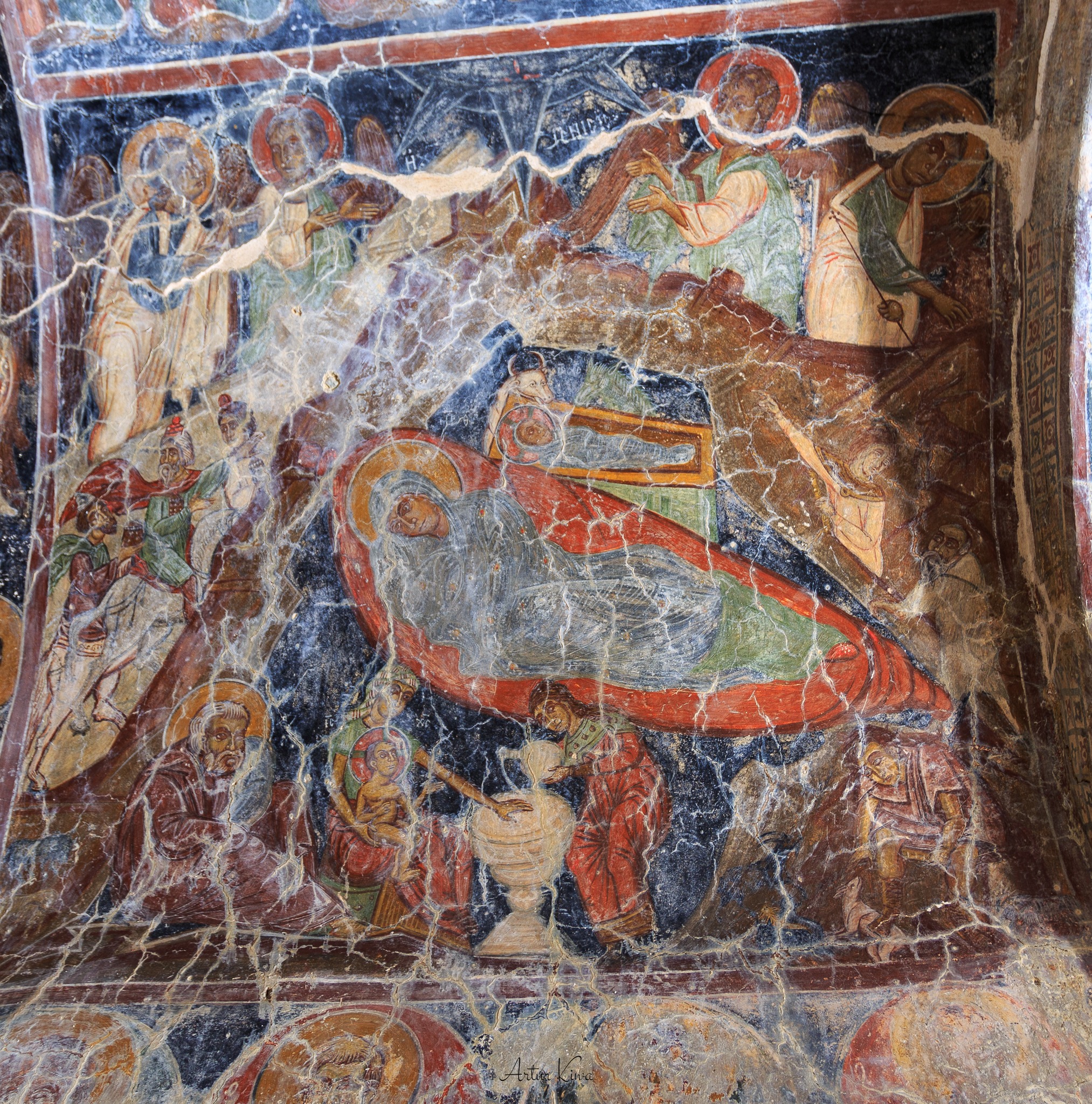
The Three Kings, or the guinea pig.
Why a guinea pig? Because it’s neither a pig nor from Guinea. Just like the “Three Kings”: neither three, nor kings, and, to top it off, they never existed. So let’s dissect this guinea pig and see what’s inside.
First: not three. Nowhere in the Bible do we find the number of “kings”. For that matter, we don’t get their names either. At least not in the canonical gospels. Interestingly, some apocrypha mention as many as ten wise men. The tradition of “three” comes from the Armenian Infancy Gospel, which today is not considered canonical. That apocryphon not only gives each king by name but even provides the date of Christ’s birth: the 21st day of the month of Tebeth, which translates to 6 January. Oops. So what exactly are we celebrating again?
Here’s how the Infancy Gospel describes it:
“They encamped near the city, where they remained for three days with the princes of their kingdoms. Although they were brothers and sons of the same father, their retinues contained armies of various languages and nations. The first king, Melkon, brought gifts of myrrh, aloe, muslin, purple cloth, linen ribbons, as well as books written and sealed by the finger of God. The second king, Gaspar, contributed, in honor of the child, tuberose, cinnamon, cassia and incense. The third king, Baltasar, brought gold, silver, precious stones, beautiful pearls and costly sapphires.”
Today only three gifts remain: myrrh, incense and gold. Gold for a king, incense for a god, myrrh for a mortal. What happened to the rest? No idea. Scripture never returns to the subject. Iconographic interpretations also evolved. At first, the three figures were simple men, undifferentiated. Later we see a youth, an elder and a man with dark skin. Today we’ve circled back to the beginning. I won’t go into interpretations, because that turns into a book.
Second: not kings and not wise men. In the original Greek texts our “kings” are called magoi (μάγοι ἀπὸ ἀνατολῶν), specifically magi from the East. One could argue for “wise men,” since in that period practitioners of magic were often seen as learned or enlightened, so fine, call them wise men. But not kings. Popular tradition turned magi into wise men, and later into kings, which has no real historical or theological value. If you compare the story to other sources, the visit of the magi resembles the visit of the Queen of Sheba to Solomon: she too comes from the East bearing gifts. Sounds familiar? Exactly. Same symbolic structure: pagans seek truth and salvation in Israel. Not by accident the magi, after paying homage to Christ, “return home by another road.” It’s symbolic transformation: a new life. In biblical language, “the road” is the path of earthly existence. The magi’s changed path signifies their changed life.
Matthew also deliberately evokes Psalm 72:
“The kings of Tarshish and of the islands shall bring gifts; the kings of Sheba and Seba shall offer tribute,”
and Isaiah 60:3–6:
“all shall come from Sheba; they shall bring gold and frankincense, and proclaim the praise of the Lord,”
and “Nations shall come to your light, and kings to the brightness of your dawn.”
And then we come to “the shining light over you”, the Star of Bethlehem. Well… brace yourselves. There was no star either. Luke doesn’t mention it, Josephus doesn’t mention it—and if anyone would have noted such an event, it’s Josephus. We are dealing with pure symbolism, a very common literary device in antiquity. A star is a royal or messianic symbol, accompanying the birth of great figures such as Alexander the Great or Octavian Augustus. In that era, people believed every person had their own star. So nothing new.
No kings, no star, no gifts… so what is left?
The catechesis. A strong theological symbol. The story of the Christ Child’s arrival, because the tale of three magi, kings or wise men—call them whatever you want—is not historical reportage but symbolic prophecy-fulfilment. And that’s how it should be read. There is nothing wrong with it not being a true historical event. It is a beautiful story, rich in meaning and symbols.
And that is what we keep.